Vertical Web Stiffeners in Steel Girder Bridges
In steel girder bridges, we often focus on the main components such as flanges carrying compression and tension, and the web carrying shear.
However, there are smaller details that play a critical role in the capacity and performance of these main members — web stiffeners.
In this series, I’ll discuss web stiffeners in steel girder bridges—practical lessons rarely taught in classrooms.
(Next post: longitudinal stiffeners.)
🔹 1. Why vertical web stiffeners matter Vertical web stiffeners are not just added plates.
• 𝗜𝗺𝗽𝗿𝗼𝘃𝗲 𝘀𝗵𝗲𝗮𝗿 𝗿𝗲𝘀𝗶𝘀𝘁𝗮𝗻𝗰𝗲 𝗼𝗳 𝘁𝗵𝗲 𝘄𝗲𝗯
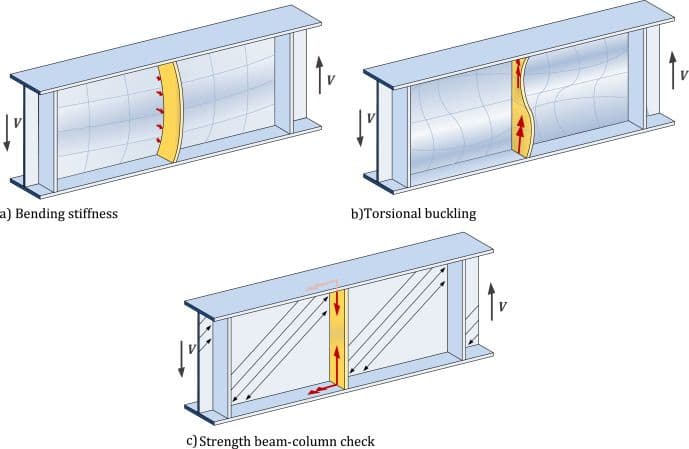
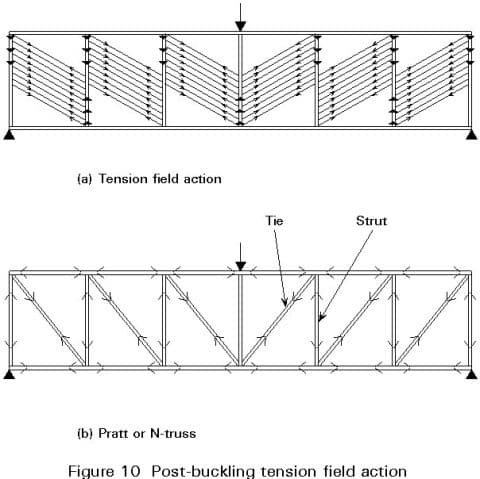
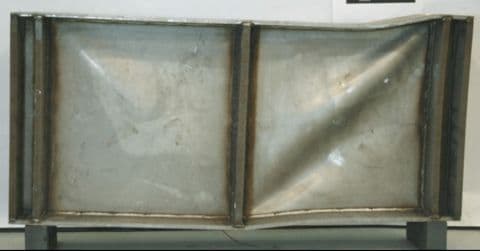
Under shear, the web develops diagonal tension and compression. Vertical stiffeners reduce web panel size, act like vertical struts, and help prevent local buckling, allowing the web to carry much higher shear forces.
• 𝗥𝗲𝘀𝘁𝗿𝗮𝗶𝗻 𝘁𝗵𝗲 𝗰𝗼𝗺𝗽𝗿𝗲𝘀𝘀𝗶𝗼𝗻 𝗳𝗹𝗮𝗻𝗴𝗲
Compression flanges tend to rotate and move laterally. Stiffeners help restrain this movement and reduce the risk of local flange buckling.
• 𝗜𝗻𝗰𝗿𝗲𝗮𝘀𝗲 𝘁𝗼𝗿𝘀𝗶𝗼𝗻𝗮𝗹 𝘀𝘁𝗶𝗳𝗳𝗻𝗲𝘀𝘀 𝗶𝗻 𝗰𝘂𝗿𝘃𝗲𝗱 𝗯𝗿𝗶𝗱𝗴𝗲𝘀
In curved steel bridges, stiffeners welded to both top and bottom flanges connect the flanges together and improve resistance to torsion.
• 𝗥𝗲𝗱𝘂𝗰𝗲 𝗳𝗮𝘁𝗶𝗴𝘂𝗲 𝘀𝘁𝗿𝗲𝘀𝘀𝗲𝘀 𝗮𝘁 𝘄𝗲𝗹𝗱𝗲𝗱 𝗰𝗼𝗻𝗻𝗲𝗰𝘁𝗶𝗼𝗻𝘀
Repeated traffic loads cause local rotation between the web and flange.
Properly detailed stiffeners limit this movement and help reduce fatigue stresses.
🔹 2. Detailing considerations
• 𝗦𝘁𝗿𝗮𝗶𝗴𝗵𝘁 𝗴𝗶𝗿𝗱𝗲𝗿𝘀 𝘄𝗶𝘁𝗵𝗼𝘂𝘁 𝘀𝗶𝗴𝗻𝗶𝗳𝗶𝗰𝗮𝗻𝘁 𝘁𝗼𝗿𝘀𝗶𝗼𝗻
Stiffeners are usually welded to the compression flange, but not to the tension flange, to avoid stress concentration and fatigue cracking.
• 𝗖𝘂𝗿𝘃𝗲𝗱 𝗼𝗿 𝘁𝗼𝗿𝘀𝗶𝗼𝗻-𝗰𝗿𝗶𝘁𝗶𝗰𝗮𝗹 𝗴𝗶𝗿𝗱𝗲𝗿𝘀
Stiffeners are often welded to both flanges to improve torsional stiffness and section stability.
• 𝗕𝗿𝗮𝗰𝗶𝗻𝗴 𝗰𝗼𝗻𝗻𝗲𝗰𝘁𝗶𝗼𝗻𝘀
Stiffeners commonly serve as connection points for bracing between adjacent girders and must be sufficiently stiff to transfer forces. So, it must be welded to flanges
• 𝗕𝗼𝘁𝘁𝗼𝗺 𝗳𝗹𝗮𝗻𝗴𝗲 𝗱𝗲𝘁𝗮𝗶𝗹𝗶𝗻𝗴
Unless structurally required, stiffeners should stop short of the bottom flange to avoid water traps and corrosion, especially in weathering steel bridges.
🔹 3. Design perspective
• 𝗘𝗳𝗳𝗲𝗰𝘁 𝗼𝗻 𝘀𝗵𝗲𝗮𝗿 𝗰𝗮𝗽𝗮𝗰𝗶𝘁𝘆
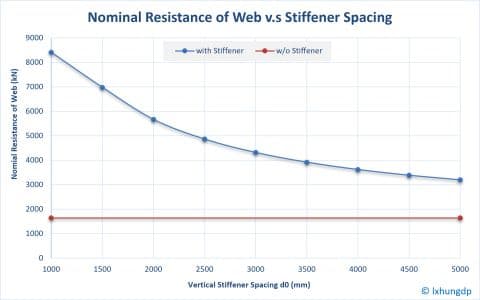
For slender webs, adding vertical stiffeners can increase shear capacity by about 2–5 times due to tension-field action. (see figure). Typical stiffener spacing ranges from 1.5 to 5.0 m, with closer spacing near supports.
• 𝗖𝗼𝗱𝗲 𝗽𝗵𝗶𝗹𝗼𝘀𝗼𝗽𝗵𝘆
AASHTO requires a projecting width check for stiffeners to prevent local buckling based on experimental evidence.
Eurocode, in contrast, allows buckling and accounts for reduced effectiveness.
This reflects two different design philosophies:
prevent buckling (AASHTO) vs. allow buckling with reduced capacity (Eurocode).