Longitudinal Web Stiffeners in Steel Girder Bridges
𝐖𝐞𝐛 𝐋𝐨𝐧𝐠𝐢𝐭𝐮𝐝𝐢𝐧𝐚𝐥 𝐒𝐭𝐢𝐟𝐟𝐞𝐧𝐞𝐫 – 𝐊𝐞𝐲 𝐂𝐨𝐧𝐜𝐞𝐩𝐭𝐬 𝐢𝐧 𝐒𝐭𝐞𝐞𝐥 𝐆𝐢𝐫𝐝𝐞𝐫 𝐃𝐞𝐬𝐢𝐠𝐧 (𝐀𝐀𝐒𝐇𝐓𝐎 𝐋𝐑𝐅𝐃)
Continuing from my previous post on vertical stiffeners,
https://lnkd.in/dy7KY8He
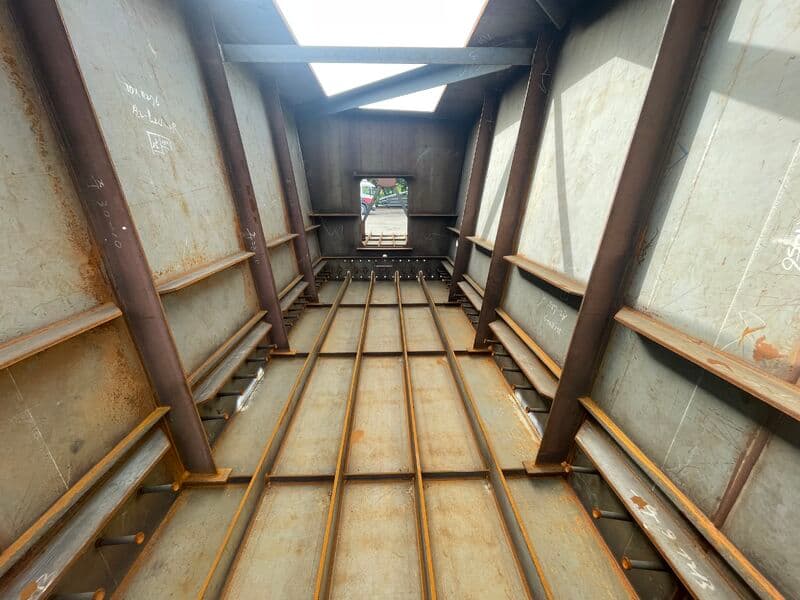
which received strong engagement, today I would like to share some practical insights the web longitudinal stiffener (LS)
1️⃣ 𝐏𝐮𝐫𝐩𝐨𝐬𝐞 𝐚𝐧𝐝 𝐬𝐭𝐫𝐮𝐜𝐭𝐮𝐫𝐚𝐥 𝐫𝐨𝐥𝐞
✔ Longitudinal stiffeners are stability members, not primary load-carrying elements.
✔ Their main function is to prevent or delay web bend-buckling by restraining out-of-plane deformation of the web.
✔ They are not mandatory in every steel girder and are used only when web stability requirements cannot be satisfied without them.
2️⃣ 𝐒𝐭𝐫𝐮𝐜𝐭𝐮𝐫𝐚𝐥 𝐜𝐨𝐧𝐟𝐢𝐠𝐮𝐫𝐚𝐭𝐢𝐨𝐧 𝐚𝐧𝐝 𝐝𝐞𝐭𝐚𝐢𝐥𝐢𝐧𝐠
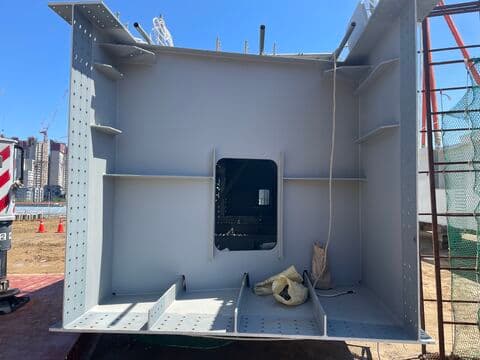
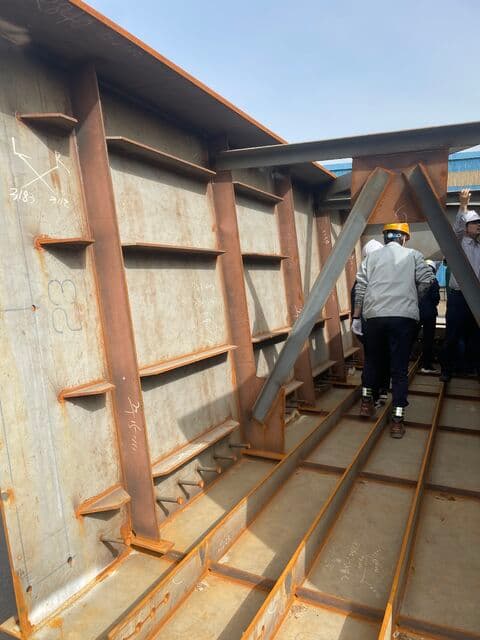
✔ Longitudinal stiffeners are placed in the compression zone of the web, acting as ribs welded along the girder axis.
✔ Longitudinal stiffeners are usually interrupted at vertical stiffeners, or require coping / openings if continuous.
✔ Common stiffener shapes:
• Plate – most common, simple.
• Lor T-sections – used when higher stiffness is required
✔ Common practice: 1 stiffener → located at 0.2H from the compression flange, 2 stiffeners → located at about 0.15H and 0.35H
3️⃣ 𝐃𝐞𝐬𝐢𝐠𝐧 𝐢𝐬𝐬𝐮𝐞𝐬 𝐢𝐧 𝐀𝐀𝐒𝐇𝐓𝐎 𝐋𝐑𝐅𝐃
3.1 Shear resistance
❌ In AASHTO, long stiffeners do NOT directly increase the nominal shear resistance of the web.
→ However, stiffeners indirectly affect shear design by changing the classification of the web panel.
✔ An interior web panel is considered stiffened if:
W/o long stiffeners → transverse stiffener spacing ≤ 3D, or
With one or more long stiffeners → transverse stiffener spacing ≤ 2D (in 10th Edition, 2024) ⚠(this limit was 1.5D in earlier editions).
🤔 This rule may look illogical at first.
In reality: A long stiffener does not always work. It is effective only when the web panel is short enough. If the panel is long (> 2D), the web can buckle in a pattern that bypasses the stiffener.
➡ For this reason, AASHTO does not credit the stiffener in shear design when the spacing is large.
3.2 Web bend-buckling resistance
✔ Under flexural loading, the web is subjected to longitudinal compression and may buckle out of plane.
✔ In this case, tension-field action is not available, and the longitudinal stiffener becomes the primary stabilizing element.
📌 AASHTO accounts for this effect in the web bend-buckling resistance equations:
For webs with a single long stiffener, the resistance depends on ds (the distance from the comp flange to the stiffener)
For multiple longitudinal stiffeners: not yet provided in AASHTO. Although many studies exist, they have not been adopted in the Spec.
For practical and conservative design, ds may be taken as the distance from the compression flange to the centroid of the longitudinal stiffener group.